Want to take control of your cloud spending? With Azure Price Cal, you can predict, analyze, and optimize your Microsoft Azure costs like a pro—before you deploy a single resource.

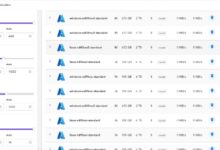




What Is Azure Price Cal and Why It Matters

The term azure price cal refers to the process and tools used to calculate, estimate, and manage the cost of using Microsoft Azure services. As cloud computing becomes central to business operations, understanding your spending is no longer optional—it’s essential. Azure offers a suite of pricing tools, and mastering them can save organizations thousands, even millions, per year.
Defining Azure Price Cal
Azure Price Cal isn’t a standalone product but a collective term for the pricing calculators, cost management tools, and forecasting features provided by Microsoft. These tools help users estimate costs before deployment, monitor spending in real time, and optimize resource usage post-deployment. Whether you’re a startup testing the cloud or an enterprise managing a global infrastructure, accurate cost forecasting is critical.
- Azure Pricing Calculator
- Azure Cost Management + Billing
- Total Cost of Ownership (TCO) Calculator
These tools are accessible through the Azure portal and are designed to work together to give a complete financial picture of your cloud environment.
Why Accurate Cost Estimation Is Crucial
Without proper cost planning, cloud projects can quickly spiral out of budget. A 2023 Flexera report found that 73% of enterprises waste over 30% of their cloud spend due to poor optimization and over-provisioning. Using Azure Price Cal tools helps avoid this by providing transparency and enabling proactive budgeting.
“The cloud is not inherently expensive, but it can become so without proper cost controls.” — Microsoft Azure Advisory Team
How the Azure Pricing Calculator Works
The Azure Pricing Calculator is the most widely used tool under the azure price cal umbrella. It allows users to build a virtual infrastructure model and see real-time cost estimates based on current Azure pricing.
Step-by-Step Guide to Using the Calculator
1. Visit the Azure Pricing Calculator page.
2. Search for services like Virtual Machines, Blob Storage, or Azure Kubernetes Service.
3. Add them to your estimate.
4. Configure specifications such as region, instance size, and usage hours.
5. The tool updates the total monthly cost in real time.
This interactive approach makes it easy to compare different configurations and find the most cost-effective setup.
Key Features of the Azure Pricing Calculator
- Real-Time Pricing: Reflects current rates across all Azure regions.
- Service Filtering: Filter by category (compute, storage, networking, AI, etc.) to narrow down options.
- Export Options: Download estimates as CSV or PDF for sharing with stakeholders.
- Integration with Azure CLI: Advanced users can automate estimates using scripts.
The calculator also includes reserved instance discounts, spot pricing, and hybrid benefit options, making it a comprehensive tool for both short-term projects and long-term planning.
Leveraging Azure Cost Management + Billing
While the Azure Pricing Calculator helps with pre-deployment planning, azure price cal also involves ongoing cost monitoring. This is where Azure Cost Management + Billing comes in—a powerful toolset for tracking, analyzing, and optimizing cloud spend after deployment.
Real-Time Cost Tracking and Alerts
Azure Cost Management provides dashboards that show spending by subscription, resource group, or tag. You can set up budget alerts to notify your team when spending exceeds a threshold. For example, you can receive an email when your monthly bill hits 80% of your budget.
This proactive monitoring prevents bill shock and allows teams to make adjustments before costs escalate.
Cost Analysis and Reporting
The Cost Analysis feature breaks down spending by service, location, and time period. You can view trends over weeks or months and identify anomalies—like a sudden spike in data transfer costs.
- Filter by tags (e.g., department, environment, project)
- Compare actual spend vs. forecast
- Generate custom reports for finance teams
These insights are invaluable for justifying cloud investments and demonstrating ROI to executives.
Using the Azure TCO Calculator for Migration Planning
One of the most strategic applications of azure price cal is in cloud migration. The Azure Total Cost of Ownership (TCO) Calculator helps organizations compare the cost of running workloads on-premises versus in the cloud.
How the TCO Calculator Works
You input details about your current infrastructure—number of servers, storage capacity, network usage, power costs, and labor expenses. The tool then estimates the 5-year cost of maintaining your on-premises setup versus migrating to Azure.
It factors in hardware depreciation, maintenance, downtime, and even carbon footprint reduction, providing a holistic financial and environmental comparison.
“The TCO Calculator doesn’t just show cost savings—it reveals hidden operational efficiencies.” — Gartner Cloud Research
Benefits of Using the TCO Calculator
- Justifies cloud migration to stakeholders
- Identifies cost-saving opportunities
- Supports sustainability goals by quantifying energy savings
- Helps with capacity planning and resource forecasting
Many organizations use the TCO Calculator as part of their business case for digital transformation.
Advanced Azure Price Cal Strategies for Enterprises
For large organizations, basic cost estimation isn’t enough. Advanced azure price cal strategies involve automation, governance, and integration with financial systems.
Implementing Cost Governance with Tags and Policies
Tags are metadata labels (e.g., “Project: CRM”, “Environment: Dev”) that allow you to categorize resources for cost tracking. When combined with Azure Policy, you can enforce tagging rules and prevent untagged resources from being deployed.
This ensures accurate cost allocation and accountability across departments.
Using Reserved Instances and Savings Plans
Azure offers significant discounts—up to 72%—for committing to one- or three-year terms on virtual machines and compute services. These are known as Reserved Instances (RIs) and Compute Savings Plans.
The azure price cal tools help you analyze your usage patterns and recommend the best reservation options. For example, if a VM runs 24/7, a 3-year reservation is likely the most cost-effective choice.
- Reservations apply across regions and instance sizes (flexible RIs)
- Savings Plans offer automatic discounts on pay-as-you-go rates
- Can be managed through the Azure Pricing Calculator and Cost Management
Integrating Azure Price Cal with Third-Party Tools
While Azure’s native tools are robust, many organizations enhance their azure price cal capabilities with third-party solutions.
Popular Third-Party Cost Management Tools
- CloudHealth by VMware: Offers advanced analytics, anomaly detection, and multi-cloud support.
- Azure Advisor: Built-in tool that provides cost optimization recommendations.
- Spot.io (by NetApp):strong> Specializes in auto-scaling and spot instance optimization.
These tools integrate with Azure APIs to pull cost and usage data, providing deeper insights and automation.
APIs and Automation for Scalable Cost Management
Azure provides REST APIs and PowerShell cmdlets to automate cost reporting and analysis. For example, you can write a script that runs daily to fetch spending data and send summaries to your finance team.
This level of automation is essential for enterprises with hundreds or thousands of resources.
Common Mistakes to Avoid in Azure Price Cal
Even with the best tools, organizations make mistakes that lead to overspending. Understanding these pitfalls is a key part of effective azure price cal.
Over-Provisioning Resources
One of the most common errors is selecting oversized VMs or over-allocating storage. The Azure Pricing Calculator can help prevent this by showing cost differences between instance sizes. Always start small and scale up based on performance data.
Ignoring Egress and Data Transfer Costs
While inbound data is usually free, outbound data (egress) can be expensive—especially for global applications. The azure price cal tools include egress pricing, so always factor this in when estimating costs for content delivery or API services.
“A single terabyte of egress can cost over $100—plan accordingly.” — Microsoft Azure Pricing Guide
Future Trends in Azure Price Cal and Cloud Cost Management
The field of cloud cost management is evolving rapidly. As AI and machine learning become more integrated, azure price cal tools are becoming smarter and more predictive.
AI-Powered Cost Optimization
Azure is investing in AI-driven recommendations that go beyond simple right-sizing. Future versions of Azure Advisor may automatically pause non-critical resources during off-hours or suggest architecture changes based on usage patterns.
These intelligent systems will make azure price cal more proactive and less reactive.
Integration with FinOps Practices
FinOps (Financial Operations) is a growing discipline that combines finance, technology, and business to optimize cloud spending. Azure’s cost tools are increasingly aligning with FinOps principles, enabling cross-functional teams to collaborate on cost decisions.
- Real-time cost visibility for developers
- Chargeback and showback models
- Cloud cost accountability frameworks
Organizations adopting FinOps report up to 40% improvement in cloud cost efficiency.
What is the Azure Pricing Calculator?
The Azure Pricing Calculator is a free online tool that helps you estimate the cost of Azure services before deployment. You can configure virtual machines, storage, networking, and other resources to see real-time pricing based on your region and usage patterns.
How accurate is Azure Price Cal?
Azure Price Cal tools are highly accurate for estimation purposes, using real-time pricing data. However, actual costs may vary slightly due to usage fluctuations, taxes, or changes in service pricing. For precise forecasting, combine the calculator with historical usage data.
Can I use Azure Price Cal for multi-cloud cost comparison?
The Azure Pricing Calculator is specific to Azure services. For multi-cloud comparisons, use third-party tools like CloudHealth or the TCO Calculator with manual inputs for AWS or Google Cloud services.
Are there discounts available through Azure Price Cal?
Yes. The calculator includes options for reserved instances, hybrid benefits (using existing Windows Server licenses), and spot pricing. These can significantly reduce your estimated costs.
How do I get started with Azure Cost Management?
Sign in to the Azure portal, navigate to ‘Cost Management + Billing,’ and link your subscriptions. From there, you can set budgets, view cost analysis, and configure alerts.
Mastering azure price cal is no longer optional—it’s a strategic necessity. From initial cost estimation with the Azure Pricing Calculator to ongoing monitoring with Cost Management, these tools empower organizations to make informed financial decisions in the cloud. By avoiding common pitfalls, leveraging discounts, and adopting advanced strategies like tagging and automation, businesses can optimize their cloud spend and drive greater value from their Azure investments. As cloud costs continue to rise, those who master azure price cal will gain a significant competitive advantage.
Further Reading: